

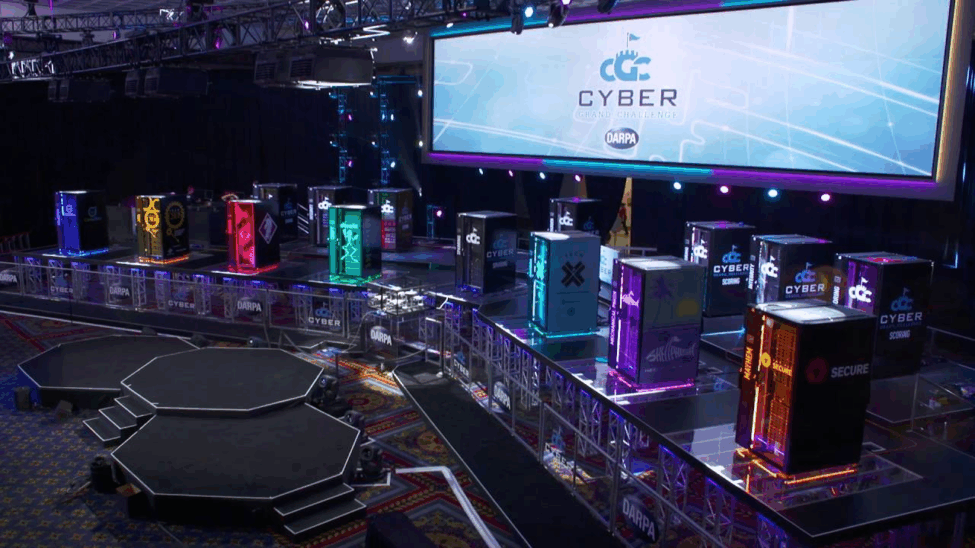
DARPA Cyber Grand Challenge: Revolutionizing Cyber Defense
The DARPA Cyber Grand Challenge is a revolutionary initiative designed to push the boundaries of automated security systems, particularly in the realm of cybersecurity competitions. Launched to foster innovation in vulnerability detection and real-time defense strategies, this challenge aims to develop machine-speed defenses capable of outsmarting cyber threats. As the frequency of cyberattacks escalates, the need for sophisticated automated bug-hunting systems has never been more critical. By hosting this unprecedented event, DARPA seeks to catalyze the creation of scalable solutions that can detect and patch vulnerabilities in digital infrastructures at lightning speed. Through the lens of this challenge, the future of cybersecurity looks promising, as autonomous systems strive to safeguard our interconnected world against malicious exploits.
The competition organized by the Defense Advanced Research Projects Agency (DARPA) marks a pivotal moment in the quest for sophisticated automated defenses in cyberspace. With a focus on accelerating the development of advanced security measures, this event highlights the urgent need for faster and more efficient vulnerability identification and response protocols. As cyber threats continue to evolve, the emergence of autonomous systems that can perform bug detection and remediation at incredible speeds becomes vital. This unprecedented contest not only showcases the capabilities of cutting-edge technology but also inspires a new generation of cybersecurity solutions aimed at protecting critical infrastructure. Ultimately, such initiatives could redefine how we approach the landscape of online security.
Understanding the DARPA Cyber Grand Challenge
The DARPA Cyber Grand Challenge (CGC) represents a monumental step forward in the realm of cybersecurity competitions. This initiative seeks to catalyze the development of automated security systems that are designed to react to cyber threats in real time. By simulating a competitive environment where machines actively hunt for vulnerabilities and patch them, the CGC demonstrates the growing need for enhanced cybersecurity measures. With the proliferation of interconnected devices—from smart home gadgets to military-grade systems—the demand for swift and effective automated vulnerability detection is at an all-time high.
Through the CGC, DARPA aims to showcase how advanced machine-speed defenses can outperform traditional methods of cybersecurity. The challenge brought together the brightest minds in tech and security, tasked with creating Cyber Reasoning Systems (CRS) capable of understanding and remedying software flaws without human intervention. This tournament not only spurs innovation in automated bug-hunting systems but also pushes the boundaries of what is possible in the fight against cybercrime.
Frequently Asked Questions
What is the goal of the DARPA Cyber Grand Challenge?
The DARPA Cyber Grand Challenge aims to accelerate the development of automated security systems capable of detecting vulnerabilities, generating patches, and deploying defenses against cyberattacks in real time, operating at machine speed.
How does the DARPA Cyber Grand Challenge advance cybersecurity competition?
The DARPA Cyber Grand Challenge introduces a new frontier in cybersecurity competition by hosting the first all-machine hacking contest, pushing the boundaries of automated bug-hunting systems and fostering innovation in automated defenses.
What are automated bug-hunting systems in the context of the DARPA Cyber Grand Challenge?
In the context of the DARPA Cyber Grand Challenge, automated bug-hunting systems refer to advanced technologies that can autonomously detect and patch software vulnerabilities, significantly reducing the time required for security remediation.
What is machine-speed defense in cybersecurity as highlighted by the DARPA Cyber Grand Challenge?
Machine-speed defense refers to the capability of automated security systems developed during the DARPA Cyber Grand Challenge to analyze, detect, and respond to cyber threats and vulnerabilities instantly, rather than through traditional manual methods.
Why is vulnerability detection crucial in the DARPA Cyber Grand Challenge?
Vulnerability detection is crucial in the DARPA Cyber Grand Challenge as it enables automated systems to identify security flaws in real-time, which is essential for effectively defending against evolving cyber threats and attacks.
What impact did the DARPA Cyber Grand Challenge have on automated security systems?
The DARPA Cyber Grand Challenge significantly impacted automated security systems by showcasing their potential to surpass manual methods, leading to faster, more efficient bug detection and remediation processes in real-world applications.
When and where was the DARPA Cyber Grand Challenge Final Event held?
The DARPA Cyber Grand Challenge Final Event took place on August 4, 2016, in Las Vegas, featuring seven teams competing in the world’s first all-machine cyber hacking competition.
What was the structure of the DARPA Cyber Grand Challenge competition?
The DARPA Cyber Grand Challenge competition involved teams utilizing Cyber Reasoning Systems to autonomously detect vulnerabilities, respond to threats, and compete in a Capture the Flag cyber challenge over nearly twelve intense hours.
What rewards were offered at the DARPA Cyber Grand Challenge?
The DARPA Cyber Grand Challenge offered significant prizes for the top-performing teams, including $2 million for first place, $1 million for second place, and $750,000 for third place, incentivizing advancements in automated cybersecurity technologies.
How does the DARPA Cyber Grand Challenge contribute to the future of cybersecurity?
The DARPA Cyber Grand Challenge contributes to the future of cybersecurity by establishing a sustainable research community focused on automated defenses, improving software security analysis, and creating a high-fidelity record of automated cyber defense capabilities.
| Key Points | Details |
|---|---|
| Objective | Accelerate the development of automated security systems for rapid defense against cyberattacks. |
| Current Challenge | Manual identification and response to bugs and cyber threats by security experts. |
| Automation Needs | Systematic, machine-speed vulnerability detection and patching as more devices rely on the internet. |
| Benefits Expected | Expert-level security analysis at machine speed, creation of a sustainable R&D community, public records of competition results. |
| Final Event | Held on August 4, 2016, featuring head-to-head matches between advanced automated cyber defense systems. |
| Competition Format | Seven teams competed using Cyber Reasoning Systems to autonomously detect and patch software flaws. |
| Outcome | Top teams were awarded prizes based on performance in protecting hosts and scanning networks. |
Summary
The DARPA Cyber Grand Challenge represents a pivotal moment in the evolution of cybersecurity, showcasing the potential of automated systems to tackle vulnerabilities in real-time. As the competition continues to inspire advancements in machine-driven defenses, it is clear that the future of cybersecurity lies in our ability to leverage technology to protect our digital infrastructures against ever-evolving threats.
Introducing Autowp, the ultimate AI content generator and AI content creator plugin for WordPress! Transform your website with high-quality, engaging content tailored to your audience’s needs, all thanks to the power of advanced artificial intelligence. With Autowp, you can streamline your content creation process and boost your SEO efforts effortlessly. Ready to elevate your online presence? Explore more about our innovative features at Autowp. To remove this promotional paragraph, upgrade to Autowp Premium membership.



 AR
AR  EN
EN  HE
HE  RU
RU  PT
PT  ES
ES